

















搜索已经改变。到了2026年,当AI引用你、算法信任你、人类立即理解你时,你才能获得排名。
本指南涵盖每个现代页面内因素。从 技术基础 to generative engine optimization. After reading it, you won’t need another resource.
我们提炼了多年的算法更新、 数百个案例研究、, 和 以及 2026年最佳实践
汇集成一份权威指南。
1. 新现实:为什么页面内SEO永远改变了 搜索引擎优化
不再关乎十个蓝色链接。
Google’s AI Mode, AI Overviews, Perplexity, and ChatGPT Search do not just crawl pages. They synthesize, interpret, and extract answers from trusted sources.
This shift has created “zero‑click” searches. About 60% of queries now end without a click.
这种转变创造了‘零点击’搜索。现在约60%的查询在没有点击的情况下结束。
仅AI概述就导致标准结果的有机点击率下降了61%。
传统的第1位排名正经历32%的同比下降。
但这并非灾难。
当你的内容在AI概述中被引用时,与那些被忽略的高排名页面相比,你获得35%的点击增长。 此外,作为AI信任的来源,在研究阶段建立品牌认知。这带来更高质量的流量和更好的.
你在2026年的任务很明确:为两类受众同时设计每一个页面——
- 人类读者 需要引人入胜、权威的体验。
- 机器 需要结构化、语义化、 易于提取的架构。.
本指南将教你如何两者兼顾。你将摒弃孤立的关键词定位,转而采用生成式引擎优化(GEO)、答案引擎优化(AEO)和坚定不移的主题权威。
2. How We Got Here: The Algorithm Timeline (2023–2026)
要理解现在有效的方法,先看规律。
谷歌从每年两次核心更新转变为大约每三个月一次近乎持续的重新校准。
2023 – The April Reviews Update gave huge weight to first‑hand experience. The era of “content written by an expert” began.
2024 – AI‑generated summaries (powered by Gemini) changed user behavior. Traditional SERP features started shrinking.
2025年末 – A volatile transition. Google improved its ability to detect AI‑generated fluff.
2026年3月 – The decisive moment. A coordinated spam update and core update hit at the same time. They permanently reshaped the ranking landscape.
结论?算法不再关注单一变量。
它们整体评估专业性、原创性和结构完整性。
如果你仍试图用批量AI内容、过时的技术技巧或单薄页面欺骗系统,你将无法恢复。
This guide is built on one principle: align with what Google rewards today—genuine expertise, real experience, and a multi‑platform brand presence.
3. 2026年3月地震:垃圾内容更新 + 核心更新
现代页面SEO所需了解的一切都从这里开始。
In early 2026, Google launched a “one‑two punch”:
- 创纪录速度的垃圾内容更新
- 紧接着是大范围核心更新
这是有意的:谷歌先清除了操纵性内容,然后为其他所有人重新设定了质量门槛。
The Spam Update (March 24 – April 5, 2026)
Google’s most aggressive enforcement yet targeted three abuses with surgical precision.
- 大规模AI内容滥用 – Domains publishing high volumes of generic, unedited AI content (without editorial oversight) lost 60–80% of their traffic.
- 过期域名操纵 – Sites built on repurposed old domains (bought only for link equity) were demoted.
- 网站声誉滥用(寄生SEO) – Low‑quality, third‑party content hosted on authoritative domains was systematically filtered out.
明确的信息:没有价值的内容量已经死亡。
核心更新(2026年3月27日起)
此次更新从根本上改变了信号权重方式。主要变化包括:
- E-E-A-T变为通用标准。 不再局限于YMYL(你的金钱或你的生活)主题。现在每个页面都根据经验、专业知识、权威性和可信度进行评估。
- 联盟网站遭受重创。 71%出现严重下滑。谷歌优先考虑第一手经验而非聚合摘要。
- 核心网页指标变为综合得分。 加载速度、交互性和视觉稳定性现在汇总为一个性能因素,直接影响排名。
新基准:完美的技术性能只是入场券。
真正让你进入AI概览和顶级自然位置的是展示的第一手经验和深厚的主题权威。
4. 页面SEO的结构基础
在写一个字之前,先把框架搭好。
2026年,HTML结构和元数据是传统爬虫和LLM摄取的主要解析层。
Intent Alignment: The Algorithm’s First Filter
搜索引擎对解决方案进行排名,而不是对词汇进行排名。
If your page’s format, tone, and depth do not match what the user actually wants, no amount of keyword tweaking will save you.
每个查询都属于以下四类之一:
| 意图 | 主要目标 | 最佳内容架构 |
|---|---|---|
| 信息型 | 深度知识、问题解决 | 长篇指南、模块化FAQ部分、为AI提取构建的实体丰富教程 |
| 导航型 | 查找特定品牌或地点 | 精简主页、超本地化着陆页、清晰的品牌实体声明 |
| 商业型 | 比较选项、阅读评论 | 并排表格、带有原创媒体的实操评测、优缺点矩阵 |
| 交易型 | 购买、下载、注册 | 无摩擦产品页面、优化结账流程、醒目的行动号召、丰富的产品结构化数据 |
始终对已经排名的内容进行逆向工程。
目标查询的顶级结果和AI概览揭示了算法的期望。
然后,在前两三句中直接回答主要查询,再扩展到更深层次的子话题。
URL优化:简洁、描述性、语义化
URL仍然是轻量级的排名信号和信任线索。最佳实践:
- Remove stop words (“and,” “the,” “of”)
- 保持结构扁平(不超过三个逻辑层级)
- 自然地包含主要关键词
- 消除基于参数的重复URL(参数浪费占用大型网站超过30%的抓取预算;使用规范化)
标题标签和元描述:你的自然广告文案
标题标签 – Put the primary concept at the front. Keep it under 60 characters. Include a compelling unique value proposition. This is still the strongest direct relevance signal.
元描述 – Not a ranking factor, but it is your free ad. Keep it between 105–160 characters. Incorporate secondary keywords naturally (they may be bolded in SERPs). Always include a clear call‑to‑action. AI search platforms increasingly use click data to validate relevance. A high CTR directly supports your visibility.
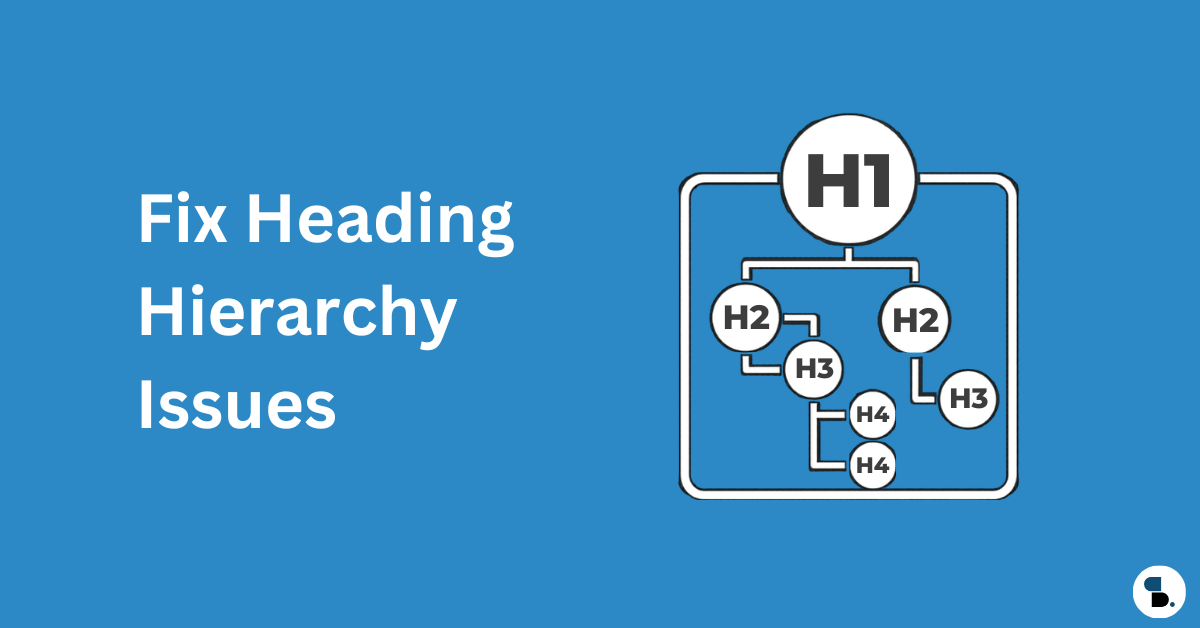
标题层级:LLM的蓝图
Your H1–H6 structure is not just formatting. It is the semantic map that LLMs use to extract answers.
- The H1 should closely mirror the title tag and define the page’s singular topic.
- Subheadings must be descriptive and match natural language queries. Avoid generic labels like “Introduction” or “Step 1.”
- Use question‑based headers, for example: “How to Optimize Core Web Vitals for Shopify Stores.” This helps AI models map queries to specific sections.
5. E-E-A-T:信任架构
算法现在将经验、专业知识、权威性和可信度视为一个单一的、不可妥协的过滤器。
信任是基础。没有它,所有其他信号都会被削弱。
以下是如何证明你是真正的行家。
The “Experience” Signal: Show, Don’t Tell
The first “E” now carries extra weight. Google’s quality raters look for clear evidence that you have actually done the thing you are talking about.
这意味着:
- 原创媒体 – Proprietary photos, unedited video demonstrations, custom data visualizations
- 具体轶事和有记录的失败 – Insights an LLM cannot hallucinate
- 原创研究、案例研究、专有数据 – These make you a primary source, which increases the chance of AI citation
优先级矩阵:关注高流量、高机会页面。注入真实世界数据和专家视角。切勿伪造经验信号。AI模型很容易发现语义不一致。
作者实体:从可选到强制
匿名会损害排名。每篇内容都必须与可验证的人类专家关联。
创建专用的作者页面,包含:
- 完整的法定姓名和专业头像
- 资质、学术背景和行业隶属关系
- 他们所有文章在您域名的索引
Then, corroborate that identity externally. Link the author’s on‑site bio to their LinkedIn, industry association profiles, and bylined articles on other authoritative sites.
When search engines can cross‑reference an author’s footprint across multiple trusted nodes, the content inherits a large baseline trust score.
6. 语言优化:机器友好内容的数学
大语言模型评估可读性、语义密度和清晰度。
如果内容充满了大量术语、复杂的文本,就会引入摩擦,不会被引用。
重要的可读性公式
在发布前使用这些指标,确保您保持在最佳提取阈值内:
- 弗莱奇阅读难易度 – Higher is easier. Aim for 60+ for general audiences. Aim for 50+ for technical B2B.
- Flesch‑Kincaid Grade Level & ARI – Target 8th–10th grade for broad content. Target 12th+ for specialized topics (but never above 14 unless absolutely necessary).
- Gunning Fog指数 – Penalizes polysyllabic words. Keep it below 12 for technical content. Keep it below 10 for mass appeal.
句子长度与理解
2026年的分析数据显示出明显的相关性:
| 平均句子长度 | 理解度 |
|---|---|
| 不超过8个词 | 100% |
| 11个词 | 90% |
| 17个词 | 75% |
| 21个词 | 40% |
| 25个词以上 | 24%或更低 |
最佳实践:
- Use short paragraphs (max 2–3 lines)
- 使用对话语气
- 使用零关键词堆砌
干净、易懂的语言使大语言模型能够高置信度地提取事实。
7. 生成引擎优化(GEO):为AI提取而设计
AI搜索引擎不会渲染完整页面。它们提取模块化片段。
您的内容必须结构化以便即时摄取。
Semantic Chunking and “Lead with the Answer”
将长篇内容分成不同的部分。每个部分应以一个H2或H3作为标题,提出具体的用户问题。
Then, the first sentence immediately after the heading must give a direct, definitive answer in 40–60 words. After that, expand with context, examples, and details.
这种倒金字塔结构有两个作用:
- It satisfies the LLM’s need for instant extraction.
- 它以深度奖励人工扫描。
为机器格式化
- Use quotable sentences – complete, fact‑rich statements that an AI can lift verbatim.
- 使用列表(有序和无序)来展示步骤、排名和特点。但不要将整篇文章变成要点。
- 曾经用于获取精选摘要的技术现在直接适用于AI概述。将简洁的定义和数据放在每个部分的顶部附近。
关键的是,不要依赖JavaScript来传递内容。许多大语言模型爬虫(GPTBot、ClaudeBot、PerplexityBot)无法执行复杂的客户端脚本。关键内容必须在初始请求时出现在原始HTML DOM中。
8. 话题权威性:中心辐射模型
Isolated pages no longer rank well. Google evaluates your entire site’s coverage of a subject.
要占据主导地位,你需要相互关联的内容集群。
实施内容集群
- 支柱页面(中心) – A comprehensive, broad overview of the core topic. Targets competitive, broad‑match keywords.
- 集群页面(辐条) – Deeply specific articles on narrow subtopics, long‑tail queries, and related FAQs.
内部链接:上下文桥梁
- 支柱页面链接到每个集群页面。
- 每个集群页面都使用描述性、关键词丰富的锚文本链接回支柱页面。
- 当语义相关时,集群页面相互链接。
这种结构不仅传递PageRank。它还为机器学习算法定义了你的专业知识的语义边界。
Well‑interlinked clusters drive 30% more organic traffic and retain rankings 2.5× longer than isolated posts.
Aim for 2–5 contextual links per 1,000 words.
爬取效率与三次点击规则
每个重要页面必须在从主页点击三次内可到达。
Flattening your architecture improves crawl efficiency by 40–70%. Pages deeper than four levels rarely rank.
Also, aggressively prune (or noindex) thin, outdated content. This improves your site’s overall quality density. Deleting dead weight lifts the algorithmic evaluation of your remaining pages.
9. 技术页面优化:核心网页指标与INP掌握
技术卓越是最低要求。
2026年3月的更新使核心网页指标成为复合分数。现在最关键的是交互到下次绘制时间(INP)。
INP衡量什么
INP取代了首次输入延迟(FID)。
It observes the latency of all user interactions—clicks, taps, keyboard inputs—throughout the entire page lifecycle. It reports the worst value.
A “Good” rating requires feedback within 200ms at the 75th percentile across all loads.
Scores between 200–500ms need improvement.
超过500毫秒的分数很差,直接抑制排名。
如何优化INP
- 拆分长任务 – Split large JavaScript bundles. Defer non‑essential third‑party scripts (marketing tags, heatmaps) until after first interaction. Offload heavy computations to Web Workers.
- 去抖高频事件 – For dynamic inputs, use a 150–300ms debounce to prevent callback storms.
- 减少DOM大小 – Bloat forces massive style recalculations. If your DOM has more than 1,400 nodes, refactor deeply nested containers, simplify accordions, and audit UI libraries.
- 提供即时视觉反馈 – Show a loading spinner or state change instantly before processing background data. This satisfies the perception of responsiveness.
10. 高级结构化数据标记:你的实体图
结构化数据已从丰富摘要诱饵演变为人工智能的关键信任和摄取层。
2026年的重点是实体消歧和意图匹配的模式。
现在该使用什么模式
通用FAQ和How-to丰富结果已被限制。只有大约31种模式类型仍然触发增强的SERP功能。
优先级:
- 组织和人物 – Establish the publisher and author entity with full details.
- 文章+作者 – Link every article to the verified Person entity.
- sameAs属性 – Connect your entity to Wikidata, Crunchbase, LinkedIn, etc. The more trusted external sources that match, the higher your entity confidence score.
- knowsAbout – Inside Organization/Person schema, declare the topics and concepts you specialize in. This is a direct topical authority signal for AI source selection.
特定地理区域模式
- 声明审查 – For fact‑checking or research content. Signals high trustworthiness.
- 定义术语 – For glossaries and technical definitions. Explicitly maps your text as the authoritative definition.
Always align schema exactly with visible content. Markup that does not match what users see (fake reviews, inflated ratings, incorrect types) is now classified as “misleading” and triggers penalties.
11. Multimodal & Visual Search Optimization
视觉搜索正在爆发。Google Lens 每月处理超过 200 亿次搜索,年增长 30%。
如果您的图像没有针对机器视觉进行优化,您在此渠道中将不可见。
构建视觉护城河
用算法能够持续与您的品牌关联的原创高质量图像替代通用的库存照片。
For e‑commerce, lifestyle photos showing complete “looks” drive “see‑snap‑buy” behavior.
技术性图像优化
- Resolution & format – Minimum 1200px wide. Use WebP or AVIF (35% smaller than JPEG). File size under 200 KB.
- 以对象为中心的构图 – Clean backgrounds. Use 3–4 angles to aid object recognition from any perspective.
- 元数据对齐 – Hyphenated, keyword‑rich filenames (example:
matte-black-espresso-machine.webp). Alt text up to 125 characters, front‑loaded with key attributes. Images with optimized alt text get 12.5× more clicks from visual surfaces. - 位置 – Key images must be above the fold, surrounded by relevant text. One‑third of top Lens results come from this premium placement.
- 结构化数据覆盖 – Connect product images to live Product schema (price, availability, currency). This allows Lens to overlay shopping data directly on the image.
12. 语音搜索优化:对话式 SEO 生态系统
语音搜索是一个独特的高意图渠道。语音查询更长、基于问题且高度本地化。
助手的市场份额很重要,因为它们从不同的索引中提取数据:
| 助手 | 索引来源 | 本地数据源 | 市场份额 |
|---|---|---|---|
| Google Assistant | Google 搜索 | Google 商家资料 | 36% |
| Siri | 必应 | Apple 地图 | 28% |
| Alexa | 必应 | Yelp | 18% |
| Cortana | 必应 | Bing Places | 8% |
| Samsung Bixby | 必应 | Google 地图 | 6% |
如何赢得语音
Voice assistants usually read one answer—often pulled from a Featured Snippet or AI Overview. You must secure that spot.
- 针对对话式的长尾问题。结构化内容以依次回答它们。
- Place a direct, concise answer (2–3 sentences max) immediately after a question‑based heading.
- 使用短段落、易于口述的列表和清晰的语言。
语音 + 本地 SEO:76% 因素
“Near me” queries dominate voice. 76% of users who perform a local voice search visit a business within 24 hours.
关键操作:
- 全面优化您的Google商家资料(用于Google助手)。
- 确保NAP一致性在网络上。
- Populate Q&A sections with spoken‑question answers.
- 回复所有评论以表明商家活跃参与。
13. 审计、恢复与保持领先
持续维护是不可妥协的。
现代页面内审计必须涵盖技术基础设施、内容质量、E-E-A-T信号和AI爬取行为。
服务器日志文件分析
前端爬虫是不够的。分析日志以准确了解Googlebot和AI专用爬虫(GPTBot、ClaudeBot、PerplexityBot)的交互方式。
查找:
- 站点地图中未爬取的规范URL – Often due to weak internal linking. Re‑integrate orphan pages into clusters.
- 哪些页面实际上被用于LLM训练 – This reveals what the AI considers valuable.
内容质量评分
在算法更新后,根据信息增益的五个维度对每个页面进行评分:
- 原始数据
- 验证的专业知识
- 第一手经验
- 内容深度
- 主题相关性
然后:
- 强页面 – Enhance with updated data.
- 弱页面 – Rewrite with a credentialed expert.
- 重叠页面 – Consolidate to kill cannibalization.
- 冗余内容 – Prune with a 410 status code.
核心更新恢复工作流程
从2026年3月式的核心更新中恢复需要数月。遵循此时间线:
- Weeks 1–2 – Confirm the drop via Search Console. Identify affected pages. Remove dead weight.
- Weeks 2–3 – Consolidate competing pages. Refine internal linking clusters.
- Weeks 3–6 – Enhance surviving content with proprietary insights and verified authors. Fix all Core Web Vitals (especially INP).
Then monitor impression trends for 6–12 weeks.
展示恢复先于点击恢复。全面恢复通常与下一次广泛核心更新同时发生,前提是你已经展示了全站点对质量的承诺。
2026年终极页面内SEO清单
在发布任何页面之前,运行此最终清单:
- 意图匹配 – Does the architecture match the user’s goal?
- URL – Terse, keyword‑rich, no stop words.
- 标题标签 – Front‑loaded, under 60 chars, unique value.
- 元描述 – 105–160 chars, secondary keywords, call‑to‑action.
- 标题层级 – H1 matches title. H2/H3s are question‑based and descriptive.
- 先给出答案 – Direct 40‑60 word answer after every header.
- E‑E‑A‑T信号 – Original media, author entity with external corroboration, anecdotes.
- 可读性 – Flesch 60+, sentence length ≤17 words, Fog Index under 12.
- 语义分块 – Content organized into extractable modules.
- 内链 – 2–5 contextual links per 1,000 words. All key pages within 3 clicks.
- 核心网页指标 – Composite “Good” across LCP, CLS, INP. INP under 200ms.
- Schema – JSON‑LD with @graph, Organization+Person, sameAs, knowsAbout.
- 图片 – Original, 1200px+, WebP/AVIF, alt text, above‑fold placement.
- 产品Schema叠加 – Live pricing and availability for visual search.
- 语音就绪 – Concise answers to conversational questions. Local listing optimized.
- 日志审核 – Ensure AI bots are crawling key pages. No orphan pages.
本指南不是理论文章。它是一份蓝图。
每个部分都反映了当前有效的方法,并经过最新算法行为的验证。
2026年的页面SEO是一门精准、真实和技术卓越的学科。
If you apply everything here, you will not need another resource. You will have a site that both humans and machines trust, rank, and—most importantly—cite.